
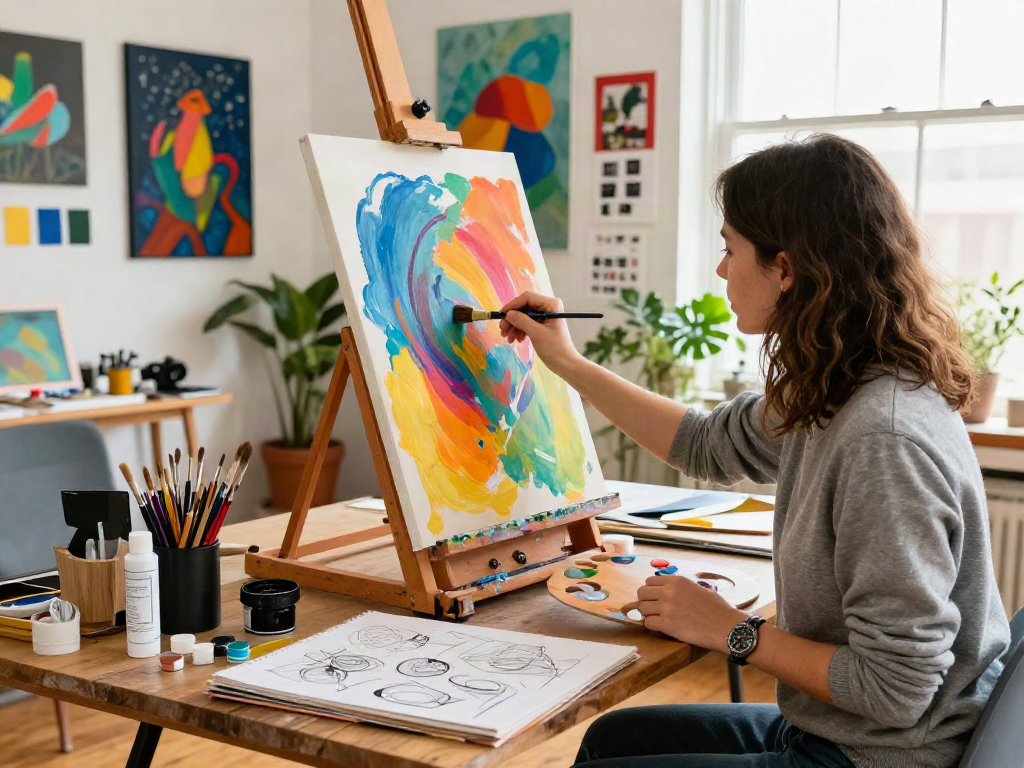
Understanding Image To Image Transformations
In the rapidly evolving world of digital creativity, the Image To Image technology stands out as a transformative force. This technique, characterized by its ability to generate new images based on existing ones, is reshaping how artists, designers, and marketers approach visual content. By leveraging artificial intelligence and machine learning, professionals are finding innovative ways to enhance their creative processes, resulting in stunning visual outcomes that were once unimaginable. The following sections delve into the mechanics of Image To Image transformations, offering insights into practical applications and the tools that drive this technology.
What is Image To Image?
Image To Image is a method in which one image serves as the foundation or reference for generating another image. This process can encompass various techniques, from style transfer—where the aesthetic of one image is applied to another—to more complex manipulations that alter the content or contextual elements of the original image. This approach has gained traction due to advancements in neural networks, particularly Generative Adversarial Networks (GANs), which excel at producing realistic and novel image outputs.
The Role of AI in Image To Image Techniques
Artificial intelligence plays a pivotal role in enhancing the efficacy of Image To Image processes. By utilizing deep learning algorithms, AI models can analyze an existing image, recognize patterns, and subsequently generate new visuals that retain certain desired characteristics while introducing novel elements. This fusion of creativity and technology allows artists to explore new realms of visual artistry, effectively pushing the boundaries of traditional design.
Common Applications in Creative Industries
The applications of Image To Image technology are diverse, significantly impacting various sectors, especially in creative industries. Notably, it is utilized in:
- Graphic Design: Enabling designers to experiment with styles and concepts efficiently.
- Fashion: Allowing for rapid prototyping of clothing designs and patterns.
- Advertising: Creating compelling visuals tailored to specific marketing campaigns.
- Art: Artists leverage this technology for creative expression and to explore new artistic themes.
Getting Started with Image To Image Tools
For those looking to explore the potential of Image To Image technology, understanding which tools are available and how to use them is essential. Whether you are a seasoned professional or a curious beginner, the right software can significantly impact your results.
Popular Software for Image To Image Conversion
Several software options are emerging as frontrunners in the Image To Image space, each offering unique features:
- Adobe Photoshop: With neural filters that allow for extensive image manipulation.
- Runway ML: A comprehensive platform empowering creators with AI-driven tools.
- DeepArt: Known for transforming images using deep neural networks and artistic styles.
- Stable Diffusion: A recent powerhouse in generating high-quality images from textual and visual input.
Setting Up Your Creative Workspace
Establishing an effective creative workspace is crucial for leveraging Image To Image technologies. Consider the following components:
- High-Performance Computer: Ensure your device can handle demanding software and processing tasks.
- Graphics Tablet: For enhanced precision and control when creating or modifying images.
- Reliable Internet Connection: Many Image To Image tools are cloud-based and require robust connectivity.
- Inspiration Board: Curate a collection of images that inspire your creative direction, assisting in the early stages of the design process.
Essential Materials and Resources
Aside from the hardware and software, having access to a variety of resources can enhance your Image To Image projects:
- Tutorials and Courses: Online platforms offer numerous resources for learning Image To Image techniques.
- Image Libraries: Websites like Unsplash and Pexels provide high-quality images to experiment with.
- Community Forums: Engage with other creatives to share tips, ask questions, and gain feedback on your work.
Best Practices for Effective Image To Image Workflows
To maximize the potential of Image To Image techniques, it is vital to adopt best practices that streamline your creative workflow. Here are key considerations:
Step-by-Step Guide to Image To Image Processes
- Choose a Reference Image: Select an image that embodies the style or elements you wish to replicate.
- Define Objectives: Identify the outcomes you aim to achieve, whether stylistic changes or content alterations.
- Use Appropriate Software: Leverage the right tools based on your specific needs and the complexity of the task.
- Iterate and Refine: Generate multiple outputs, experimenting with variations to hone in on the desired result.
Common Mistakes to Avoid
As with any creative process, pitfalls abound. Awareness of common mistakes can save time and enhance the quality of your work:
- Overcomplication: Simplicity often leads to powerful designs; don’t overthink the initial stages.
- Lack of Experimentation: Sticking too rigidly to a concept can stifle creativity; be open to unexpected results.
- Neglecting Feedback: Sharing work with peers can provide invaluable insights that fuel your creative growth.
Tips for Enhancing Your Creative Output
To elevate your Image To Image work, consider the following tips:
- Stay Updated: Follow industry trends and news to adapt your techniques and tools accordingly.
- Network with Peers: Collaboration often leads to innovative ideas and perspectives.
- Document Your Process: Keeping track of your methods and outcomes can help refine your workflow over time.
Case Studies of Successful Image To Image Projects
Real-world examples illuminate the effectiveness of Image To Image techniques across various fields. Below are notable case studies that highlight successful projects and innovative applications.
Notable Artists Using Image To Image Techniques
Many artists are pushing the boundaries of traditional art forms through the use of Image To Image technologies. Artists like Mario Klingemann and Refik Anadol have gained recognition for their groundbreaking works that incorporate AI and generative techniques, demonstrating how traditional artistic values can be merged with cutting-edge technology.
Real-World Applications in Advertising and Branding
In the advertising realm, brands are utilizing Image To Image transformations to create visually engaging campaigns. For instance, companies like Nike and Coca-Cola have adopted AI-generated visuals to capture consumer attention and build unique brand identities. By engaging audiences with personalized and artfully crafted imagery, these brands effectively enhance their marketing strategies.
Innovations in the Industry: A Look at Recent Trends
The landscape of Image To Image technology is constantly evolving. Recent trends include:
- Integration with Augmented Reality: Blending Image To Image technologies with AR creates immersive experiences for consumers.
- Real-Time Processing: Advances in computing power allow for instantaneous image transformations, enabling spontaneous creativity.
- Open-Source Collaborations: Communities are developing open-source tools that democratize access to advanced Image To Image capabilities.
Future Trends in Image To Image Technologies
The future of Image To Image technology promises innovative transformations within creative fields. As AI continues to evolve, several trends are likely to emerge:
The Impact of AI Evolution on Creative Fields
The evolution of artificial intelligence will significantly impact creative industries, making sophisticated tools more accessible. This democratization of technology will empower even amateur creators to produce high-quality visuals, thereby expanding the boundaries of creativity.
Predictions for 2026 and Beyond
Looking ahead to 2026, we can expect:
- Enhanced Personalization: Tools will become increasingly adept at tailoring outcomes to individual user preferences based on previous interactions.
- Collaborative AI: AI systems will work alongside human creators, offering suggestions and insights that enrich the creative process.
- Regulatory Frameworks: As the technology matures, ethical considerations and regulations surrounding its use will become more prominent.
How to Stay Ahead in the Image To Image Landscape
To thrive in the ever-evolving landscape of Image To Image technology, professionals should commit to lifelong learning and adaptation. Engaging with emerging tools, attending industry conferences, and participating in online workshops will help maintain a competitive edge.
What are the key benefits of using Image To Image techniques?
The advantages of Image To Image techniques are vast, including:
- Efficiency: Rapidly generate numerous iterations based on a single reference image.
- Innovation: Encourage new artistic expressions and ideas that blend traditional and digital art forms.
- Versatility: Applicable across various disciplines, from fashion to gaming to advertising.
How can beginners begin experimenting with Image To Image?
Beginners can start by engaging with user-friendly software and following online tutorials. Engaging in community forums can also provide insights and encouragement as one navigates the initial learning curve.
What are the ethical considerations in using Image To Image technology?
As with any digital manipulation tool, ethical considerations must be taken into account. Issues surrounding copyright, originality, and the potential for misuse in misinformation campaigns are crucial discussions that the industry must navigate.
What resources are available for learning more about Image To Image?
A plethora of resources exist for those interested in Image To Image technology, including online courses, tutorials, and dedicated websites offering insights into best practices and emerging trends. Additionally, books discussing AI in art offer valuable theoretical frameworks.
What are common challenges faced in Image To Image projects?
Practitioners may encounter challenges such as:
- Technical Limitations: The complexity of software can be daunting for newcomers.
- Creative Block: Generating truly unique concepts can sometimes feel overwhelming.
- Integrating Feedback: Balancing personal artistic vision with external critiques can be a delicate process.